Uncategorised Archives - EcoSmart Solar Rockhampton, Gladstone & Yeppoon

Archive for the ‘Uncategorised’ Category

Single vs Three Phase Power: Which One Does Your Home Really Need?

Wednesday, November 19th, 2025

Three Phase vs Single Phase Power for Solar & Batteries

When Australians start looking into solar and battery storage, a key question pops up early:

“Does my home’s power supply — single phase or three phase — actually matter?”

Absolutely. Your phase supply can affect how large your solar system can be, which battery models you can install, how well your home handles heavy loads, and how much backup power you have in an outage.

Below is a fresh, easy-to-follow breakdown to help you understand what you already have — and whether you should consider upgrading.

What Is Single Phase Power?

Single phase power is the standard setup across the majority of Australian suburbs. Your home is connected to the grid through one active wire, supplying all your appliances, lighting and everyday household needs.

Who is it ideal for?

  • Typical suburban homes

  • Standard solar installations up to around 8–10 kW

  • Households with average power demand

Why most homes stay single phase

  • It supports everyday appliances perfectly

  • It’s cheaper and simpler to connect

  • Most battery brands offer single-phase compatible options

Single phase works well for the average Aussie family,  but it does have limits once you start adding large solar arrays, EV chargers, ducted air-con or a home battery.
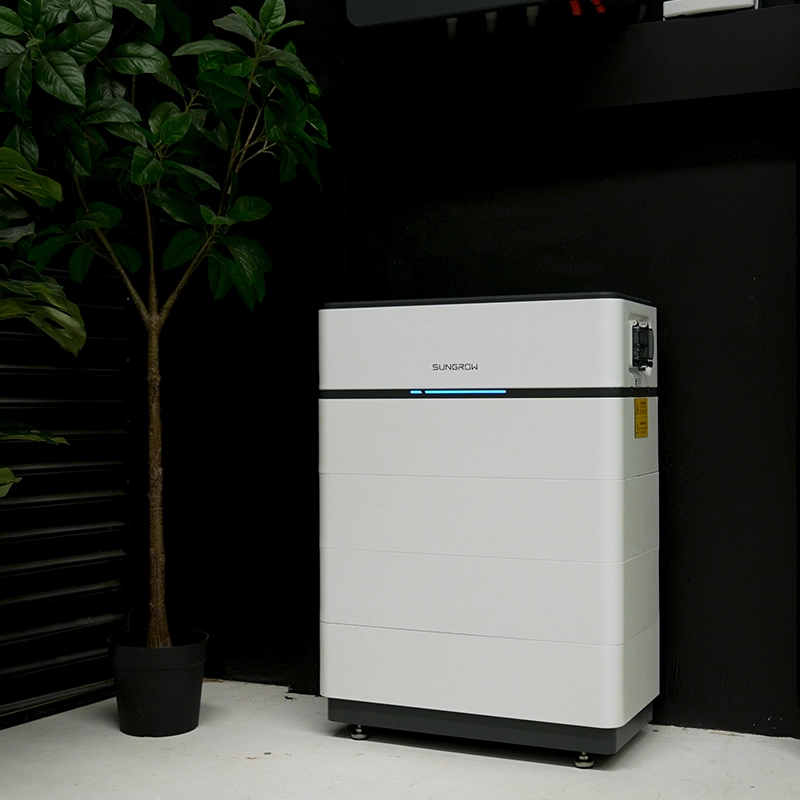
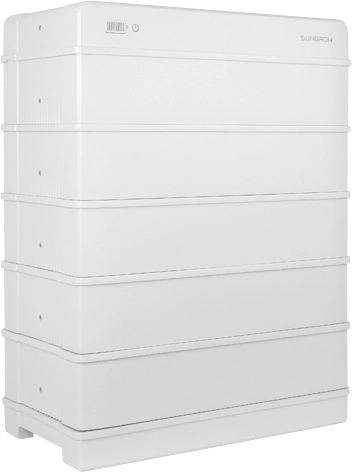
sungrow sbh battery installation

What Three Phase Power Means for Solar, Batteries and Blackout Protection

Three phase power is usually found in larger homes, rural properties, workshops and any site with big electrical demand. Instead of relying on one active wire (like single phase), a three-phase connection spreads electricity across three separate actives, creating a more stable and powerful supply.

Why Some Homes Have Three Phase Power

Three phase isn’t about being “better” — it’s about serving heavier electrical loads. Homes or properties with the following often require it:

  • Large ducted air-conditioning systems

  • EV chargers or multiple high-power appliances

  • Pumps, workshops or machinery

  • Bigger solar systems, typically 10–30 kW or more

Because the load is shared evenly, the system stays stable under pressure — making it the preferred choice for homes with serious energy needs.

How Your Phase Type Affects Battery Options

Your phase supply has a major influence on which batteries you can install and how your home behaves during a blackout.

Battery Compatibility Explained

  • Many batteries on the Australian market are single-phase only.

  • Some brands offer three-phase-ready options.

  • You can put a single-phase battery on a three-phase home, but the battery will only operate on — and back up — a single phase, unless you invest in three-phase hardware.

If you want full-home protection and you’re on three-phase, you’ll need a dedicated three-phase battery system.

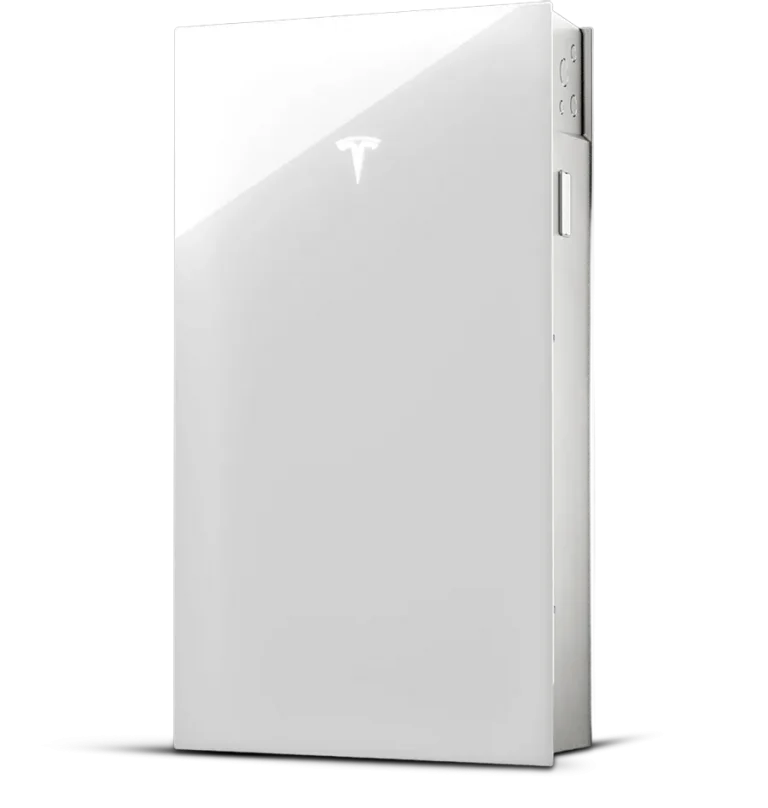
Tesla Powerwall 3 Expansion Pack EcoSmart Solar

Backup Power: What Actually Happens in a Blackout

Backup behaviour changes significantly depending on your supply type.

Single Phase Home

A single-phase battery can support the entire home, as long as the essential circuits are wired correctly. Everything runs through one phase — so everything that’s on the backup circuit stays on.

Three Phase Home with a Single Phase Battery

Only the circuits on the battery’s chosen phase remain live. The other two phases drop out completely unless you install extra components or additional batteries.

Three Phase Home with a True Three Phase Battery

All phases can stay energised. This allows major appliances — pumps, ducted AC, EV chargers, workshops — to run during an outage.

This setup is essential if you want your entire home to continue operating normally during a blackout.

When Your Phase Supply Makes the Biggest Difference

If You’re on Single Phase

Backup is simple. The battery feeds the whole selected backup circuit, and you don’t need to worry about balancing loads across phases.

Perfect for:

  • Average homes

  • Households with modest energy needs

  • Standard solar + battery combinations

If You’re on Three Phase

You need to choose how much of the home you want to protect.

Option A: Back Up One Phase (Most Common & Cost-Effective)

  • Cheapest pathway

  • Works with most battery models

  • Essential circuits (fridge, lighting, NBN, key power points) stay powered

  • The other phases switch off during a blackout

This suits homes that only need core essentials running.

Option B: Back Up All Three Phases (Premium Full-Home Backup)

  • Needs a purpose-built three-phase battery

  • Higher upfront cost

  • Protects ducted air con, pumps, large appliances, and EV charging

  • Systems like Sungrow can deliver true three-phase support

This is the best choice for homes wanting seamless, whole-home continuity during outages.
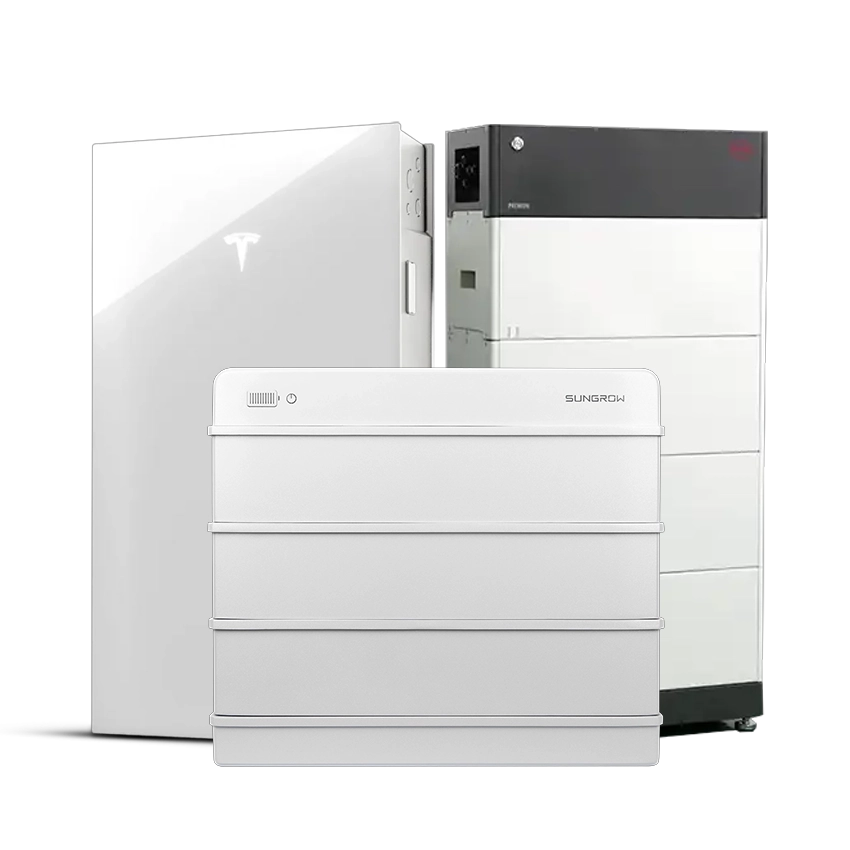
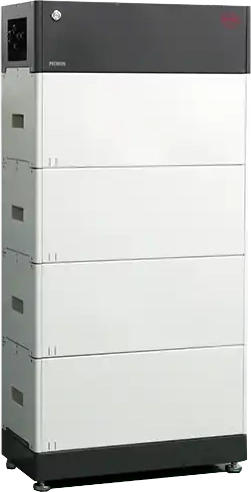
battery group

Summary

Your home’s phase supply — single or three phase — doesn’t just affect solar. It also shapes which battery models you can install, how quickly they can charge, and what kind of backup power you’ll get.

Below is a fresh, clearer way to understand the best battery choices for each setup.

Best Battery Options for Single Phase Homes

Most battery brands in Australia are built with single-phase households in mind. These systems are simple to wire, cost-effective to install, and work with the majority of suburban homes.

Popular choice for single-phase:

  • Tesla batteries – widely used, trusted, and compatible with standard single-phase solar inverters.

Why they work well:

  • Easy integration with existing single-phase solar

  • Full-house backup possible via a single backup circuit

  • No need for extra switching hardware

Best Battery Options for Three Phase Homes

If your property runs on three phase, you have two pathways:

1. Install a single-phase battery on one phase

Simple, cheaper, but only backs up one-third of your home’s wiring.

2. Install a purpose-built three-phase battery system

This is the premium option and provides true whole-home resilience.

Leading three-phase compatible option:

  • Sungrow Batteries – Sungrow’s modular high-voltage batteries pair seamlessly with both single-phase and three-phase Sungrow hybrid inverters

Why three-phase batteries stand out:

  • Balanced power delivery across all phases

  • Can support big appliances (ducted AC, pumps, EV chargers) in a blackout

  • Higher charging and discharging capacity

If you want everything to keep running during an outage, a dedicated three-phase system is the cleanest and most capable solution.

Battery Performance: Single Phase vs Three Phase

Each supply type has its strengths, and the performance differences are meaningful.

Why Single Phase Performs Well

  • Lower installation cost

  • Compatible with the widest range of batteries

  • Simpler backup design

  • Perfect for standard homes and modest energy use

Single phase delivers reliable performance for the majority of Australian households without unnecessary complexity.

Why Three Phase Has the Technical Edge

  • Supports much larger solar systems (10–30 kW+)

  • Enables faster battery charging from solar because power is spread across multiple phases

  • More stable under heavy loads (large AC, pumps, EV charging)

  • Often higher export limits with network providers

  • Better performance during low-sun periods thanks to higher available solar capacity

If you’re thinking long-term electrification, three phase gives you more headroom.

Is Upgrading to Three Phase Worth It?

More homeowners are choosing to upgrade their supply, especially as electrification becomes mainstream.

An upgrade is worth considering if you’re:

  • Planning a large battery bank

  • Increasing your solar system to 10–20 kW or more

  • Installing an EV charger

  • Building a new home with modern, all-electric appliances

  • Preparing for a low-grid-reliance lifestyle

What three-phase upgrades typically deliver:

  • Stronger battery performance and higher power output

  • Bigger solar generation capacity

  • Higher property value (big in new-build markets)

  • Flexibility to add energy-hungry appliances later

  • A future-proof platform for electrification and VPPs

For many homes, especially new builds or large properties, upgrading to three phase is an investment that opens the door to bigger solar, better batteries, and more resilience.
Battery Technology & Smart Energy Management

Thursday, October 16th, 2025

Understanding Battery Technology in Rockhampton & Yeppoon

At EcoSmart Solar, we believe that choosing the right battery technology is just as important as installing it safely. With Queensland’s high solar potential and emerging smart energy programs, now’s the time to understand how today’s batteries, inverters, and apps all work together to give you greater control over your power.

From AC vs DC coupling to lithium iron phosphate (LFP) chemistry and virtual power plant (VPP) readiness, we’ll walk you through the key things that make a modern battery system smart, efficient, and future-ready.

AC vs DC Coupling – What’s the Difference?

The way your solar panels connect to your battery affects how your energy flows and how efficiently it’s stored.

  • DC-coupled systems send solar energy directly to the battery before it’s converted for use in your home. This is often more efficient because it avoids double conversion losses. DC coupling is popular in new hybrid inverter systems, where the inverter and battery are designed to work together.
  • AC-coupled systems, on the other hand, convert solar energy to AC first before storing it in the battery. While slightly less efficient, they’re ideal for adding a battery to an existing solar setup, without replacing your current inverter.

Both options are safe and effective – the best choice depends on whether you’re building a new system or upgrading an existing one.

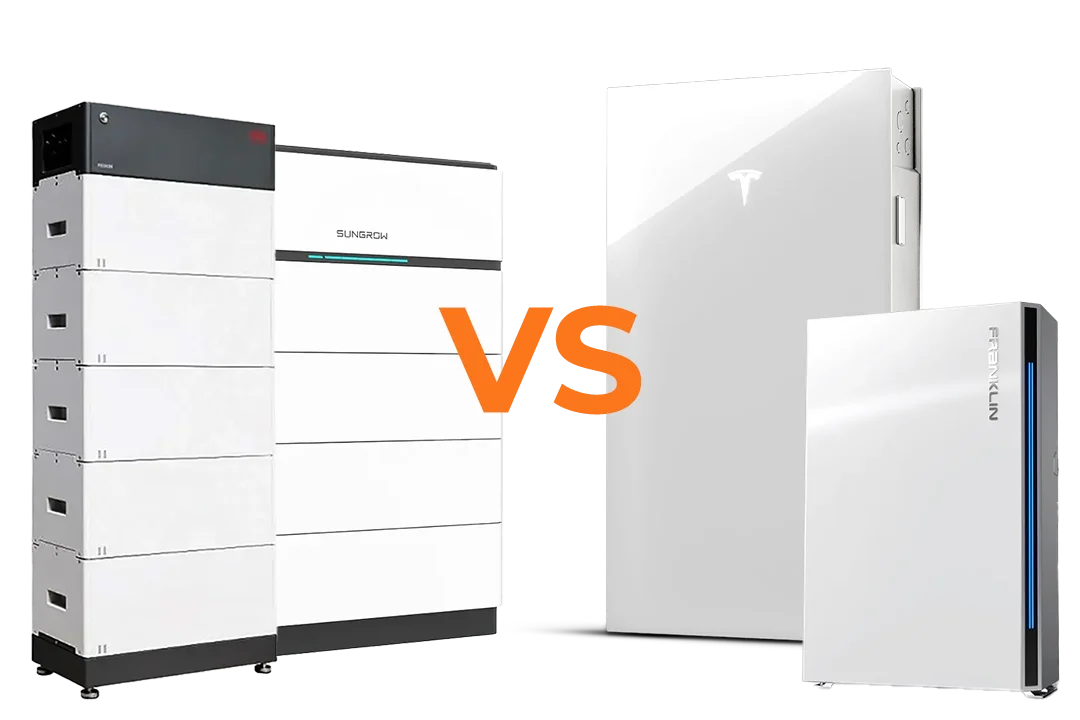
byd, sungrow, tesla powerwall 3 and franklin wh batteries

Why LFP Battery Chemistry Leads the Way

Most quality home batteries today use Lithium Iron Phosphate (LFP) cells. Compared to older chemistries like NMC or NCA, LFP offers:

  • Longer lifespan – typically 6,000+ cycles
  • Higher thermal stability for better safety in Queensland’s heat
  • Lower fire risk, thanks to its stable chemistry
  • Consistent performance even after years of use

That’s why many leading brands – including Sungrow, BYD and Tesla – now use LFP technology. For Rockhampton and Yeppoon homeowners, this means a cooler, safer, and longer-lasting battery suited to local conditions.

Hybrid Inverters – The Heart of Smart Energy Systems

Hybrid inverters are now the standard for modern solar and battery installations. They combine the functions of a solar inverter and battery inverter in one unit, allowing energy to flow efficiently between your panels, home, battery, and the grid.

Key features of today’s hybrid inverters include:

  • Real-time app monitoring, showing production, storage, and usage
  • Backup power options for when the grid goes down
  • Smart load control, directing power where it’s needed most
  • Remote firmware updates, keeping your system current

With these features, your solar and battery system doesn’t just power your home – it actively manages your energy use to reduce grid reliance and save you money.

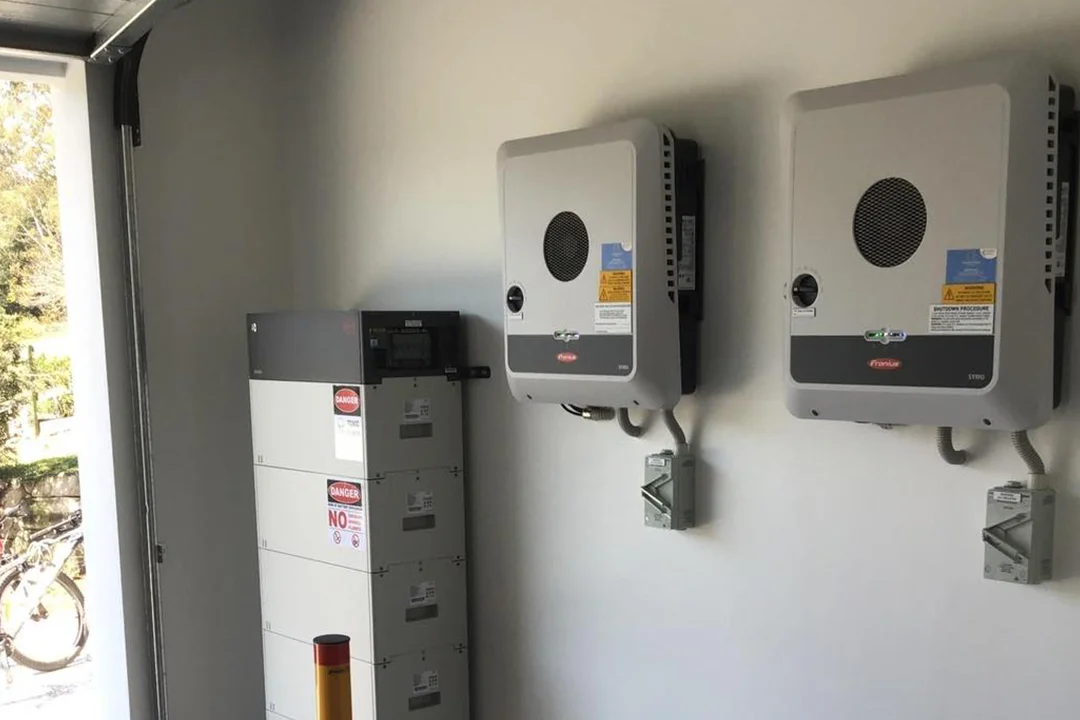
fronius byd installation

Smart Energy Management and VPPs (Virtual Power Plants)

Energy management is no longer passive. Thanks to app-based control and VPP programs, your home battery can now participate in smart networks that reward you for supporting the grid.

In a Virtual Power Plant (VPP), connected batteries across Queensland work together to provide extra power during high-demand periods. When the grid needs help, your system can automatically discharge stored energy, and you receive credits or payments for that contribution.

Programs like this are already being trialled with Energy Queensland and Amber Electric, and will expand across Central Queensland in the near future.

By choosing a VPP-ready battery system, you’re future-proofing your setup to not only store and use solar – but potentially earn from it too.

The Role of Smart Apps and Monitoring

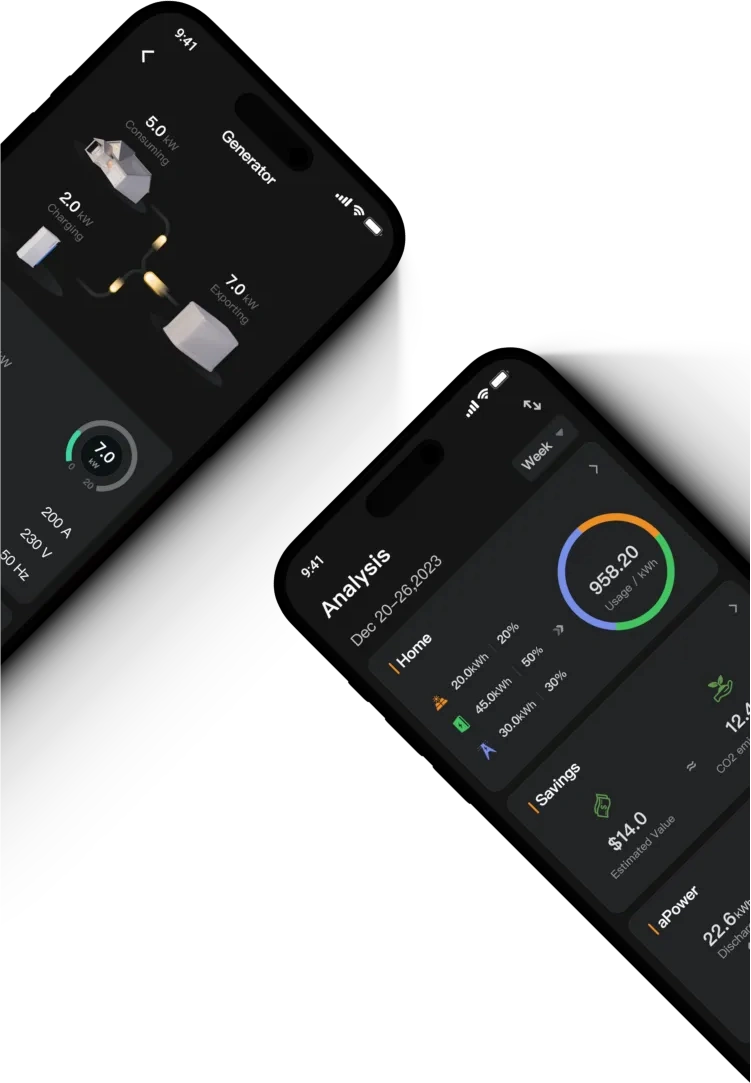
Today’s solar and battery apps put you in control. Whether it’s the Sungrow iSolarCloud or the Tesla app, you can:

  • View your battery’s charge and discharge in real-time
  • Track daily, monthly, and lifetime solar performance
  • Optimise appliance usage to line up with solar generation
  • Set backup power levels for blackout protection

This level of visibility helps Rockhampton and Yeppoon homeowners understand how they use energy and adjust habits for maximum savings.

franklin wh monitoring app

Future-Proofing with EcoSmart Solar

We design every system with tomorrow in mind – from battery chemistry and inverter compatibility to VPP participation and grid standards. Our team stays across Ergon Energy and Electrical Safety Office guidelines to ensure your system remains compliant, connected, and ready for future upgrades.

If you’re ready to explore a modern solar and battery setup with full smart management and VPP capability, talk to EcoSmart Solar today. We’ll help you design a system that fits your home, your lifestyle, and Queensland’s growing smart energy future.

Solar Battery Installation Rules in Queensland

Wednesday, October 15th, 2025

Solar Battery Installation Rules for Rockhampton & Yeppoon Homes

As more Queensland households make the switch to renewable energy, we’re seeing battery storage become an essential part of modern solar systems. But before installing a battery, it’s important to understand the regulations that apply across Queensland — covering everything from placement and safety barriers to clearances around gas fittings and exits.

At EcoSmart Solar, we follow strict Australian Standards and Queensland electrical safety requirements to ensure every battery is installed correctly — safely positioned away from heat sources, gas equipment, and escape routes. These rules aren’t just about compliance; they’re about keeping your home safe and ensuring your system performs reliably through Rockhampton’s hot summers, humid conditions, and the region’s everyday energy demands.

Read This First

All battery installations in Queensland must comply with AS/NZS 5139:2019 and AS/NZS 3000:2018 (Wiring Rules).

Oversight comes from the Electrical Safety Office (ESO) under Workplace Health and Safety Queensland, along with Energy Queensland and Ergon Energy for grid-connection requirements.

These standards and authorities set out where you can and cannot install a battery, the distances to maintain from doors, windows, and gas fittings, and what materials to use if the battery backs onto a habitable room.

The aim is straightforward: place the battery where it can’t be damaged, overheated, or block an exit, and keep it safely separated from living areas and ignition sources.

Where a Battery Must Not Be Installed

Before deciding on a location, Queensland has clear restrictions to reduce the risk of fire, gas ignition, and impact damage. The rules below are based on AS/NZS 5139, the ESO’s installation guidance, and Ergon Energy’s service and installation rules for Rockhampton and Yeppoon properties.

Batteries must NOT be installed in:

  • Hazardous areas as defined in AS/NZS 3000, including gas cylinder and relief-vent exclusion zones. Local gas suppliers may require additional clearance around meters.
  • Escape routes, including passageways, walkways, and under stairs. Batteries must not obstruct exits or evacuation routes.
  • Ceiling spaces, roof cavities, or recessed wall cavities, unless housed in a compliant non-combustible enclosure sealed to the cavity.
  • Habitable rooms (bedrooms, living rooms, kitchens, dining rooms, studies, and similar). Batteries can only be installed in garages, outdoor areas, or purpose-built enclosures.
  • Any area prone to water, dampness or direct weather exposure, unless the battery is IP-rated for outdoor use and mounted according to manufacturer instructions.

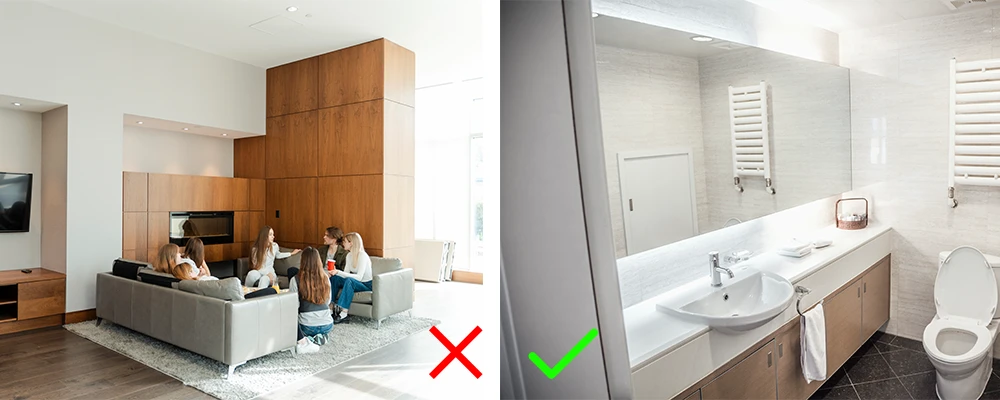
What Counts as a Habitable Room in Queensland?

The Queensland Building Code, aligned with the National Construction Code (NCC), defines a habitable room as any space used for daily living — such as bedrooms, living areas, dining rooms, studies or playrooms.

If the battery wall backs onto one of these rooms, you’ll need to install a non-combustible fire barrier or choose another external location.

Rule: A battery cannot be mounted directly on a wall shared with a habitable room unless a compliant barrier is fitted.

habitable room vs non habitable room

Minimum Distances from Openings, Exits and Appliances

These are the standard minimum clearances under AS/NZS 5139 and ESO guidance. Your installer must follow these and any stricter manufacturer requirements.

  • Openable windows and vents:
    Keep at least 600 mm horizontally and 900 mm below any openable window or vent into a habitable room.
  • Doors, exits and wide openings:
    Do not install a battery within 600 mm of an exit up to 900 mm wide.
    For garage or yard doors, allow enough space for a person to pass at least 1000 mm from the nearest edge of the battery.
  • Electrical appliances:
    Keep unrelated appliances (e.g. air conditioner units, hot water systems, pumps) at least 600 mm horizontally and 900 mm above the battery.
  • Gas equipment:
    Maintain gas separation zones per AS/NZS 3000 and your gas supplier’s rules. Typically, maintain a 1000 mm radius around the gas vent and 1500 mm in the direction of discharge.
sungrow sbh battery installation

Fire Barriers for Walls Backing Habitable Rooms

If the battery is mounted on or within 300 mm of a wall that backs onto a habitable room, Queensland’s Electrical Safety Office requires a non-combustible fire barrier.

Acceptable materials include:

  • Brick or concrete
  • Masonry block
  • Compressed fibre cement sheet
  • Ceramic or terracotta tiles

The barrier must:

  • Extend 600 mm beyond each side of the battery
  • Extend 900 mm above the top of the battery
  • Protect the ceiling within 600 mm if the top of the battery is within 900 mm of it
  • Be fully sealed, with no openings larger than 5 mm

Access, Egress and Impact Protection

Batteries must not restrict movement or block pathways. Queensland guidance recommends 1 metre of clear space around the battery to allow safe access.

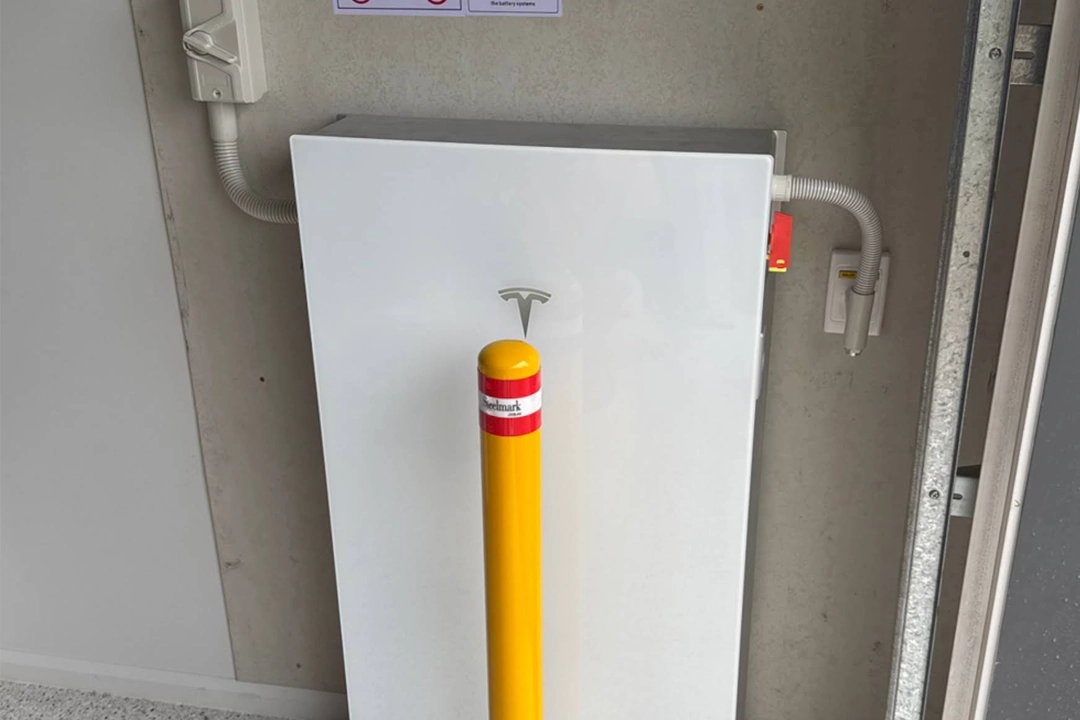
If the battery is installed in a garage or any area where a vehicle could hit it, bollards or a solid barrier are required.

When Are Bollards Required?

Whenever there’s a realistic chance of vehicle contact — such as in garages or driveways.

Compliant Bollards

While not size-prescriptive, the barrier must fully prevent impact. Common choices include fixed steel bollards, 70–100 mm diameter and around 900 mm high, anchored into the concrete slab and placed to protect the entire front face of the battery.

If the battery is outside a vehicle’s turning or parking zone, bollards are not required — but your installer should record that assessment.

Manufacturer Clearances Still Apply

AS/NZS 5139 sets the legal minimum, but each product manual lists its own airflow and service clearances.
For example, the Tesla Powerwall 3 requires:

  • Left/right sides: ≥ 100 mm
  • Above: ≥ 50 mm
  • Below: ≥ 20 mm
  • In front: ≥ 300 mm service space
  • Between units: ≥ 100–150 mm

Indoor vs Outdoor Placement

For Rockhampton and Yeppoon homes, outdoor or garage placement is usually preferred, given the warm, humid climate. Indoor installations are generally discouraged in domestic settings and must meet all barrier and clearance requirements if used.

Other Compliance Steps We Follow

  • Test and verify the system to AS/NZS 3000 standards
  • Label, earth and protect all wiring per AS/NZS 5139 Sections 4–6
  • Meet inverter and PV requirements under AS/NZS 4777.1 and AS/NZS 5033
  • Submit compliance documentation to Ergon Energy for grid-connection approval

Local Note for Rockhampton & Yeppoon Homes

Many homes in Central Queensland use single or three-phase power and may have large air conditioners, pools or EV chargers.

Plan battery size and location early to allow for future expansion, safe access, and easy maintenance. Check nearby gas meters, hot water units, and walkway widths before installation to avoid relocation later.

Why Choose EcoSmart Solar for Your Battery Installation

EcoSmart Solar has delivered safe, high-quality battery installations across Rockhampton, Yeppoon and Central Queensland, following all requirements under AS/NZS 5139, AS/NZS 3000, and the Queensland Electrical Safety Office.

Every installation is carefully planned and executed — with proper clearances measured, compliant fire barriers fitted where needed, and impact protection added in garages or driveways. At completion, you’ll receive full commissioning records, inspection photos, and warranty documentation for your peace of mind.

If you’re ready to install a battery system the right way, speak with EcoSmart Solar today. From site inspection to final sign-off, we take care of every detail so you can enjoy safe, reliable energy storage built for Queensland conditions.

Frequently asked Questions

Can a solar battery be installed in a garage in Queensland?

Yes. A garage is one of the most common places for a home battery in Queensland. It must not block an exit or walkway, and if a car could hit it, bollards or a solid barrier are needed. If the garage wall backs onto a bedroom or living area, a non-combustible fire barrier is also required.

When do I need bollards for a home battery?

You need bollards or a solid barrier whenever a vehicle could realistically hit the battery, such as in a garage or beside a driveway. A common choice is fixed steel bollards about 70 to 100 mm wide and around 900 mm high, anchored into the slab in front of the battery. If the battery is outside where cars park or turn, bollards aren’t needed, but your installer should record that assessment.

How far does a battery need to be from a window or door?

Keep the battery at least 600 mm to the side of, and 900 mm below, any openable window or vent into a habitable room. It must not be within 600 mm of an exit up to 900 mm wide. For garage or yard doors, leave at least 1000 mm so a person can walk past.

Can a battery go on a wall next to a bedroom?

Only if a compliant non-combustible fire barrier is fitted, such as brick, concrete, masonry block, compressed fibre cement sheet or ceramic tiles. The barrier must extend 600 mm beyond each side of the battery and 900 mm above it. Otherwise, choose another wall or an outdoor location.

Who can install a home battery in Queensland?

A home battery must be installed by a licensed electrician. To get the federal battery rebate, the installer must also be accredited by Solar Accreditation Australia (SAA) with a battery endorsement. EcoSmart Solar’s installers meet both requirements and handle the Ergon Energy connection approval for you.

How Much Battery Storage Do You Need?.

Wednesday, September 24th, 2025

Choosing the Right Solar Battery Size in Rockhampton

When planning your solar and battery system in Rockhampton, one of the biggest decisions you will make is choosing the right battery size. While many Australian households typically install a battery between 10 and 13 kilowatt-hours (kWh), the right size for you depends on your lifestyle, whether you plan to charge an electric vehicle, and how much you want to prepare your home for the future. For some homes in Central Queensland, even 20 kWh, 30 kWh, or larger batteries can make sense.

In Rockhampton and surrounding areas like Yeppoon, Gracemere and Mount Morgan, we see two clear patterns. Suburban households often want a solar battery that covers evening use, while rural families and farms across Central Queensland lean towards larger batteries that can power heavy equipment or provide backup during longer outages.

The choice is not just about today’s electricity bills. It is also about how your energy needs will grow in the coming years.

Understanding Solar Battery Capacity

Battery capacity is measured in kilowatt-hours (kWh), which represents how much energy a battery can store and release. For example, one kWh equals running a 1,000-watt appliance for one hour. If your home uses 20 kWh per day, then a 10 kWh battery could, in theory, cover half that usage if fully charged.

For many Rockhampton homes, a 10 kWh battery will comfortably run lighting, appliances, Wi-Fi, and cooling overnight. But larger households in areas such as Parkhurst or Frenchville may find a 15 to 20 kWh battery a better fit. On rural properties near Alton Downs or Ridgelands, even bigger batteries such as 20 to 30 kWh or more can be the right solution, especially where pumps, sheds, or multiple fridges and freezers are in use.

It is also important to know that not all of a battery’s rated capacity is usable. Most models reserve a small portion of charge to protect performance. So a 10 kWh battery may only deliver around 9 kWh of usable storage depending on the brand.

Average Household Solar Battery Needs in Rockhampton

For most families across Rockhampton suburbs, a 10 to 13 kWh battery works well. This size usually covers evening and overnight usage, keeping essentials like your fridge, freezer, Wi-Fi, lighting, and a few outlets running.

Households with a 6.6 kW solar system often find this to be the perfect match. Instead of exporting excess solar back to the grid for a few cents, you can store it during the day and use it in the evening when electricity costs are at their highest. This balance helps lower bills and provides reliable backup.

For larger Rockhampton homes or properties in nearby rural towns, stepping up to a 15 to 20 kWh solar battery can make sense. These households often use more energy at night for cooling, appliances, or larger electrical systems.

When You Might Need a Bigger Battery

Not every Rockhampton household fits into the “average” bracket. Some families are already choosing larger batteries in the 15 to 30 kWh range.

One of the biggest drivers is the rise of electric vehicles. An EV can double your daily electricity demand, which means a 10 kWh battery quickly feels too small. A 20 kWh or larger solar battery gives you the storage to cover both household use and overnight vehicle charging.

Rural properties in Central Queensland also benefit from bigger batteries. Farms and acreages often run irrigation systems, cold rooms, or heavy equipment. In these cases, a 20 to 30 kWh battery can keep everything running without relying on the grid.

Planning for the future matters too. A growing family, more time working from home, or adding a second EV can all push up energy demand. Installing a bigger battery now can save you from having to upgrade later while letting you take advantage of today’s rebates.

How Usage Patterns Influence Battery Size

Battery sizing is not only about how much electricity you use in total. It is about when you use it.

Many Rockhampton families use the bulk of their energy in the evenings for cooking, air conditioning, laundry, and entertainment. For these households, a 10 to 13 kWh battery provides good coverage.

But for households with retirees, shift workers, or people working from home, energy use is often spread throughout the day. If solar panels already cover daytime use, a smaller battery might be enough.

On the other hand, lifestyle factors like teenagers gaming late into the night, or running multiple air conditioners in summer, may mean you will need extra storage. Reviewing your electricity bills or monitoring usage with a smart meter will give you a clearer picture.

Matching Solar Battery Size with Your Solar System

Your solar panels and battery should always be sized together.

  • A standard 6.6 kW solar system is best paired with a 10 to 13 kWh battery.
  • Larger homes in Rockhampton with 10 kW solar arrays often choose 15 to 20 kWh batteries.
  • Rural properties with 15 kW or bigger solar systems are well suited to 20 to 30 kWh batteries.

If your battery is too large for your solar system, it may never fully charge. If it is too small, it fills quickly, leaving the rest of your solar sent back to the grid for very little return. Getting the balance right ensures maximum value from your system.

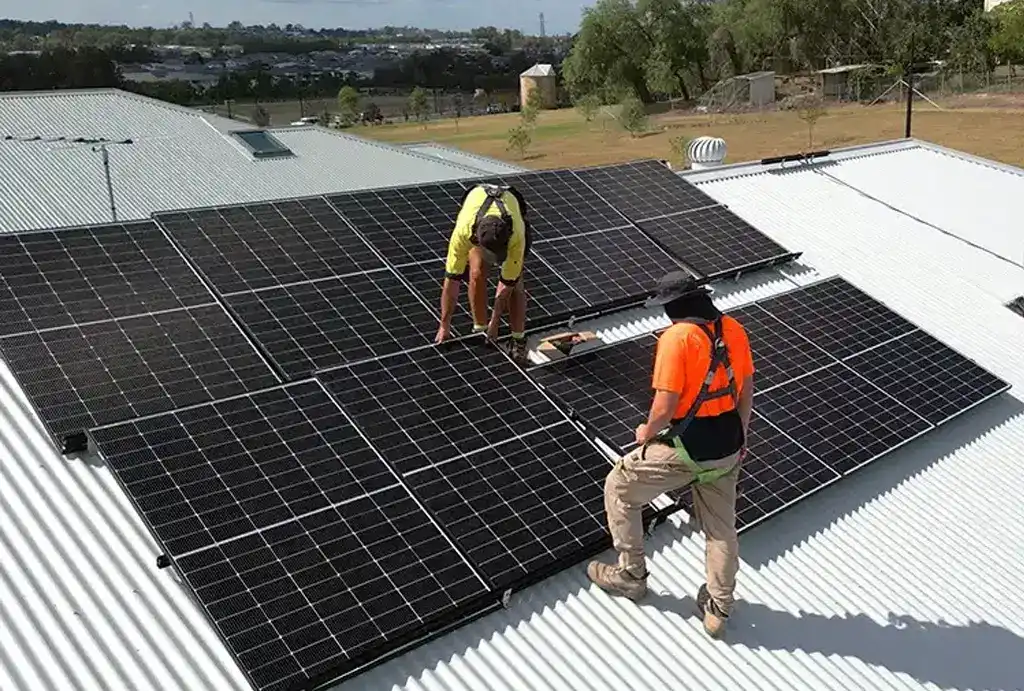
solar system being installed

Cost vs Value of Solar Batteries in Rockhampton

Cost is always a big factor when deciding on a solar battery. Bigger batteries cost more upfront, but they can provide greater long-term value through higher bill savings and stronger blackout protection.

In Rockhampton suburbs, most families look for a battery that lowers evening bills and provides reliable backup during outages. On rural properties, larger batteries are often chosen for powering heavy loads and keeping the property running when the grid goes down.

The Federal Battery Rebate has made both standard and larger batteries more affordable. For many Rockhampton households, this incentive is a chance to size up without the financial hurdle.

Ultimately, the right solar battery size is not just about the cost. It is about security, comfort, and building an energy system that grows with your household.

Best solar batteries Rockhampton

Tuesday, March 18th, 2025

Looking for the Best Solar Battery in Rockhampton? Here’s What You Need to Know!

Living in Rockhampton, you already understand the benefits of solar energy. But to get the most from your solar system, you need a reliable solar battery. With so many options available, how do you choose the right one?

We’ve compared the top three solar batteries available through EcoSmart to help you find the perfect match for your home or business.

Tesla Powerwall 3 – Premium Performance & Whole-Home Backup

Tesla Powerwall 3 is one of the most trusted solar batteries worldwide. It offers seamless blackout protection and smart energy management, making it a top-tier choice for homeowners wanting maximum efficiency.

Why Choose Tesla Powerwall 3?

✅ 13.5 kWh capacity – Stores enough power to keep an entire household running overnight.
✅ Instant backup switching – No delay during blackouts.
✅ Scalable storage – Add multiple Powerwalls for greater energy independence.
✅ Sleek, compact design – Wall-mounted for space-saving installation.
✅ Smart energy tracking – Syncs with the Tesla app for real-time monitoring.

Best For: Homeowners who want whole-home backup protection and high-efficiency energy storage.

💡 Pro Tip: Tesla Powerwall 3 is an excellent option for Rockhampton homes prone to blackouts or those looking for premium solar storage

Sungrow Battery – Reliable, Affordable, & Built for Australian Conditions

If you’re after a cost-effective yet powerful solar battery, Sungrow is a fantastic choice. Designed for Aussie conditions, it’s an affordable and reliable option for Rockhampton homeowners.

Why Choose Sungrow?

✅ 9.6 – 25.6 kWh capacity options – Choose the right size for your home.
✅ Budget-friendly – More affordable than premium brands.
✅ High-efficiency lithium-iron phosphate technology – Built for durability.
✅ Blackout protection – Keeps essential appliances running during outages.
✅ Expandable storage – Start small and add more capacity as your energy needs grow.

Best For: Homeowners looking for a cost-effective and reliable battery with expandable storage options.

💡 Pro Tip: If you want an affordable, durable battery that works well with various solar setups, Sungrow is a top contender.

BYD Battery – Scalable, Long-Lasting, & Perfect for Larger Homes

BYD (Build Your Dreams) is a global leader in battery manufacturing, known for efficiency and long lifespan. This battery is ideal for large households or businesses that require more energy storage.

Why Choose BYD?

✅ Up to 256 kWh storage – Perfect for homes with high energy usage.
✅ Modular design – Easily expand your storage capacity as needed.
✅ Lithium-iron phosphate chemistry – Safe, durable, and long-lasting.
✅ Great for businesses & large homes – Handles high energy demand.
✅ Blackout protection – Keep your home running even when the grid goes down.

Best For: Large homes, growing families, and businesses needing a scalable, high-capacity battery system.

💡 Pro Tip: If you need flexible, large-scale storage that can grow with your needs, BYD is a perfect choice.

How to choose the right solar battery for your Rockhampton home

Friday, March 14th, 2025

Struggling to Pick the Right Solar Battery? Here’s What You Need to Know!

Rockhampton’s sunny climate is ideal for solar energy, but without a solar battery, much of your power goes to waste. If you’re thinking about adding battery storage but aren’t sure where to start, you’re not alone!

Let’s break it down step by step so you can store more solar, cut energy bills, and keep your home powered—even during blackouts!

Telsa Powerwall 3 Rockhampton

1. How Much Power Do You Actually Use?

Before choosing a battery, ask yourself:

✅ How much electricity does my household use daily?

✅ Do I want to power my whole home or just essential appliances?

✅ How often do I experience blackouts, and do I need backup power?

💡 Tip: Check your electricity bills to see your average daily usage. This helps determine the battery size you need.

2. Battery Size – What’s the Right Capacity?

Battery capacity is measured in kilowatt-hours (kWh)—the higher the kWh, the more energy you can store.

🔋 Small Batteries (5–10 kWh) – Ideal for small homes or powering key appliances like a fridge, Wi-Fi, and lights.

🔋 Medium Batteries (10–15 kWh) – Best for average households storing solar energy for night-time use.

🔋 Large Batteries (15–20+ kWh) – Perfect for bigger homes or those wanting full blackout protection.

💡 Pro Tip: Unsure? Choose a scalable battery so you can add extra storage later!

3. Which Type of Battery is Best?

Not all solar batteries are the same! Here’s what you need to know:

Lithium-Ion (Most Popular)

✅ Long lifespan (10–15 years)

✅ Fast charging & high efficiency

✅ Compact & lightweight

Lead-Acid (Budget-Friendly Option)

✅ Lower upfront cost

✅ Reliable for off-grid setups

⛔ Shorter lifespan (3–5 years) & bulkier design

Verdict? Lithium-ion batteries are the best choice for Rockhampton homes due to their efficiency and longevity.

4. Solar Battery + Inverter = The Perfect Match

Not all batteries work with every solar system! You need a compatible inverter to manage your solar power and battery storage.

✅ Hybrid Inverters – Work with solar panels and batteries, perfect for new solar installs.

✅ Battery-Only Inverters – Needed if you’re adding a battery to an existing solar system.

💡 Check with an expert to ensure your battery and inverter work together seamlessly!

5. What Are the Best Solar Battery Brands?

Here are some of the top-rated solar batteries for Rockhampton homes:

  • Tesla Powerwall – High capacity, seamless backup, and a sleek design.
  • Sungrow Batteries – Affordable, reliable, and built for Australian conditions.
  • BYD Batteries – Scalable storage for growing energy needs.

💡 Tip: Choose a brand with a strong manufacturer warranty (10+ years) for extra peace of mind.

6. Can a Solar Battery Work in a Blackout?

YES!—But only if your battery has blackout protection.

  • Standard solar batteries won’t work in a blackout unless they have a backup feature.
  • Blackout-ready batteries keep your essentials running even when the grid is down.

💡 Live in a blackout-prone area? Make sure your battery has an Emergency Power Supply (EPS) function!

7. How Much Does a Solar Battery Cost?

Solar battery prices vary based on size and brand:

  • Small Battery: $5,000 – $7,000
  • Medium Battery: $8,000 – $12,000
  • Large Battery: $12,000 – $18,000

💡 Good News: Flexible finance options let you pay monthly instead of upfront, so you can start saving without breaking the bank!

8. Is a Solar Battery Worth It?

✅ Lower electricity bills – Use your own stored solar power instead of relying on expensive grid electricity.

✅ Power during blackouts – Keep your essentials running when the grid goes down.

✅ Less dependence on energy retailers – Store your own power and stop relying on low feed-in tariffs.

Final Thought? If you want to save money, stay powered during blackouts, and make the most of your solar system, a battery is a smart investment!

What is involved in getting Solar Power?

Saturday, September 11th, 2021

If you're curious about getting solar, but not sure what is involved, here's a step-by-step run through of the process.

Stage 1 - Quote and Inspection

1. Quote required – the first step to getting you on your way to harnessing the energy from the sun is to arrange a personalised quote. This can be done either over the phone or an on-site appointment can be organised. To provide a detailed quote suited to your needs we need to know your energy consumption and approximate power bills, building details – such as whether your roof is metal or tiled, whether you run high energy appliances (think air conditioners and pool pumps), and how much you are looking to spend on your solar power system.

2. Quote provided – once this information has been collated, a quote will be generated. It will include key information regarding the recommended solar panels and inverter, data sheets for these products, a Solar Proposal – this will outline your expected Return on Investment and how much you can expect to save on your power bills – and an Array layout of the optimal layout and location of the panels on your roof space.

3. Quote acceptance – once you have accepted your quote, the installation will be booked in. Depending on the time of the year, the lead times can fluctuate as demand is higher during the summer months when homeowners start to use more energy. If not already done, a site inspection may be necessary to confirm layout and orientation of the panels, ideal location of the inverter, inspection of the meter panel and switchboards, and what sort of site access there is.

Stage 2 - Pre-Installation

Prior to your solar installation, there are a few things we will do.

4. Complete Ergon Connect Application – this notifies Ergon you are having solar power installed and begins the process for you to begin receiving Solar credits for unused energy you may generate that is fed back to the grid. You will receive an automated email from Ergon notifying of this application. If the application is required to be evaluated and a negotiated contract is offered, there may be fees applicable by you. For further information on the fees, please call Ergon on 13 10 46.

5. Organise materials required for the install – this is done when you approve your quote with the aim to have all materials in stock for your scheduled installation date. In the event of a delay of materials, your install may be pushed later to accommodate but you will be contacted.

6. Confirm installation booking and access – we require access to your home on the day of your installation. This means you may need to restrain any pets you have in your yard. You will be contacted the week prior to your installation to confirm this and any other details necessary.

Stage 3 - Installation Day

On the day of your installation, you can expect the following to happen.

7. The solar installation team will arrive on site early in the morning – this time will have already been advised. Most installations only take one day, however unexpected complications may arise and cause the install to take longer. In this case, you will be contacted with the next available date to complete the install.

8. Panels – your panels will be installed on your roof as per the array layout provided in your quote. This layout may be altered on the day if the roof space does not allow for it, but the panels will be placed in the best position available; taking into account any existing roof structures and shading.

9. Inverter – your inverter will be installed in a position where is it protected from the weather and close to your meter panel.

10. Wifi connection – most inverters have a monitoring system where you can access data online to see how your system is producing. If you have a stable Wifi connection – and it’s in range of your inverter – the install team will connect the two to give you access. You will then receive an email with further log in details.

11. Power outage – during your install, the power will be turned off for a period of time during the day. This is usually while doing roof/cable works to ensure the safety of those involved and also to connect the system to the grid.

solar system being installed

Stage 4 - Post Installation

12. Once your install is complete you will be issued with the following: an itemised invoice to pay for the works, an Owner’s Manual which has information on your system, warranty and emergency shut down procedure andlog in details for the appropriate inverter monitoring program (these come directly from the inverter manufacturer so keep an eye out for that in your emails)

13. STC Rebate Claim – if installing a full system, you will have been provided a point of sale discount on your system when quoted. This is the current government rebate. As we have provided it to you, we will then claim it back through an STC assignment. You will receive a text and/or email requesting you sign the document to confirm the installation.

14. Ergon Electrical Work Request – we will submit another Ergon application to advise we have completed the works. Ergon will then be in contact with you to arrange a time for them to attend to switch your meters over to digital meters. Once they have attended for this appointment, you will start to accrue solar credits on your power bill from unused solar power being sent back to the grid. Please note that if you have received a negotiated offer from Ergon there may be limits around how much power you can export. If you are on a SWER line, you will not be approved for any export limit.

15. Service Reminders – we recommend servicing your solar power system every 2 years. You will receive reminders when your service is due.