

Single vs Three Phase Power: Which One Does Your Home Really Need?
Posted on 19 November 2025

Three Phase vs Single Phase Power for Solar & Batteries
When Australians start looking into solar and battery storage, a key question pops up early:
“Does my home’s power supply — single phase or three phase — actually matter?”
Absolutely. Your phase supply can affect how large your solar system can be, which battery models you can install, how well your home handles heavy loads, and how much backup power you have in an outage.
Below is a fresh, easy-to-follow breakdown to help you understand what you already have — and whether you should consider upgrading.
What Is Single Phase Power?
Single phase power is the standard setup across the majority of Australian suburbs. Your home is connected to the grid through one active wire, supplying all your appliances, lighting and everyday household needs.
Who is it ideal for?
-
Typical suburban homes
-
Standard solar installations up to around 8–10 kW
-
Households with average power demand
Why most homes stay single phase
-
It supports everyday appliances perfectly
-
It’s cheaper and simpler to connect
-
Most battery brands offer single-phase compatible options
Single phase works well for the average Aussie family, but it does have limits once you start adding large solar arrays, EV chargers, ducted air-con or a home battery.
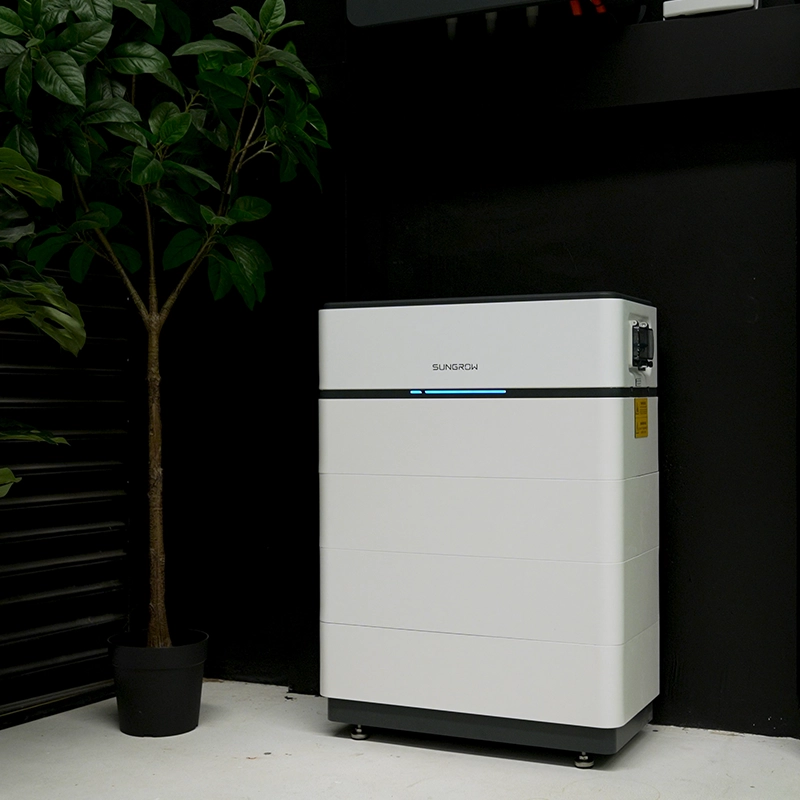
What Three Phase Power Means for Solar, Batteries and Blackout Protection
Three phase power is usually found in larger homes, rural properties, workshops and any site with big electrical demand. Instead of relying on one active wire (like single phase), a three-phase connection spreads electricity across three separate actives, creating a more stable and powerful supply.
Why Some Homes Have Three Phase Power
Three phase isn’t about being “better” — it’s about serving heavier electrical loads. Homes or properties with the following often require it:
-
Large ducted air-conditioning systems
-
EV chargers or multiple high-power appliances
-
Pumps, workshops or machinery
-
Bigger solar systems, typically 10–30 kW or more
Because the load is shared evenly, the system stays stable under pressure — making it the preferred choice for homes with serious energy needs.
How Your Phase Type Affects Battery Options
Your phase supply has a major influence on which batteries you can install and how your home behaves during a blackout.
Battery Compatibility Explained
-
Many batteries on the Australian market are single-phase only.
-
Some brands offer three-phase-ready options.
-
You can put a single-phase battery on a three-phase home, but the battery will only operate on — and back up — a single phase, unless you invest in three-phase hardware.
If you want full-home protection and you’re on three-phase, you’ll need a dedicated three-phase battery system.

Backup Power: What Actually Happens in a Blackout
Backup behaviour changes significantly depending on your supply type.
Single Phase Home
A single-phase battery can support the entire home, as long as the essential circuits are wired correctly. Everything runs through one phase — so everything that’s on the backup circuit stays on.
Three Phase Home with a Single Phase Battery
Only the circuits on the battery’s chosen phase remain live. The other two phases drop out completely unless you install extra components or additional batteries.
Three Phase Home with a True Three Phase Battery
All phases can stay energised. This allows major appliances — pumps, ducted AC, EV chargers, workshops — to run during an outage.
This setup is essential if you want your entire home to continue operating normally during a blackout.
When Your Phase Supply Makes the Biggest Difference
If You’re on Single Phase
Backup is simple. The battery feeds the whole selected backup circuit, and you don’t need to worry about balancing loads across phases.
Perfect for:
-
Average homes
-
Households with modest energy needs
-
Standard solar + battery combinations
If You’re on Three Phase
You need to choose how much of the home you want to protect.
Option A: Back Up One Phase (Most Common & Cost-Effective)
-
Cheapest pathway
-
Works with most battery models
-
Essential circuits (fridge, lighting, NBN, key power points) stay powered
-
The other phases switch off during a blackout
This suits homes that only need core essentials running.
Option B: Back Up All Three Phases (Premium Full-Home Backup)
-
Needs a purpose-built three-phase battery
-
Higher upfront cost
-
Protects ducted air con, pumps, large appliances, and EV charging
-
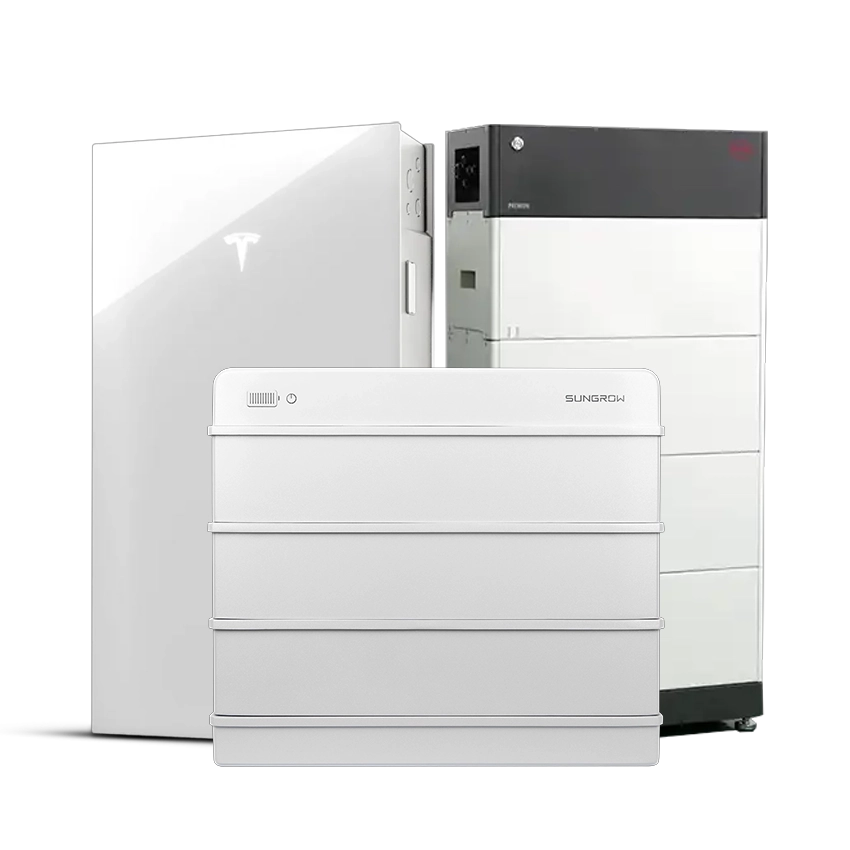
Systems like Sungrow can deliver true three-phase support
This is the best choice for homes wanting seamless, whole-home continuity during outages.
Summary
Your home’s phase supply — single or three phase — doesn’t just affect solar. It also shapes which battery models you can install, how quickly they can charge, and what kind of backup power you’ll get.
Below is a fresh, clearer way to understand the best battery choices for each setup.
Best Battery Options for Single Phase Homes
Most battery brands in Australia are built with single-phase households in mind. These systems are simple to wire, cost-effective to install, and work with the majority of suburban homes.
Popular choice for single-phase:
-
Tesla batteries – widely used, trusted, and compatible with standard single-phase solar inverters.
Why they work well:
-
Easy integration with existing single-phase solar
-
Full-house backup possible via a single backup circuit
-
No need for extra switching hardware
Best Battery Options for Three Phase Homes
If your property runs on three phase, you have two pathways:
1. Install a single-phase battery on one phase
Simple, cheaper, but only backs up one-third of your home’s wiring.
2. Install a purpose-built three-phase battery system
This is the premium option and provides true whole-home resilience.
Leading three-phase compatible option:
-
Sungrow Batteries – Sungrow’s modular high-voltage batteries pair seamlessly with both single-phase and three-phase Sungrow hybrid inverters
Why three-phase batteries stand out:
-
Balanced power delivery across all phases
-
Can support big appliances (ducted AC, pumps, EV chargers) in a blackout
-
Higher charging and discharging capacity
If you want everything to keep running during an outage, a dedicated three-phase system is the cleanest and most capable solution.
Battery Performance: Single Phase vs Three Phase
Each supply type has its strengths, and the performance differences are meaningful.
Why Single Phase Performs Well
-
Lower installation cost
-
Compatible with the widest range of batteries
-
Simpler backup design
-
Perfect for standard homes and modest energy use
Single phase delivers reliable performance for the majority of Australian households without unnecessary complexity.
Why Three Phase Has the Technical Edge
-
Supports much larger solar systems (10–30 kW+)
-
Enables faster battery charging from solar because power is spread across multiple phases
-
More stable under heavy loads (large AC, pumps, EV charging)
-
Often higher export limits with network providers
-
Better performance during low-sun periods thanks to higher available solar capacity
If you’re thinking long-term electrification, three phase gives you more headroom.
Is Upgrading to Three Phase Worth It?
More homeowners are choosing to upgrade their supply, especially as electrification becomes mainstream.
An upgrade is worth considering if you’re:
-
Planning a large battery bank
-
Increasing your solar system to 10–20 kW or more
-
Installing an EV charger
-
Building a new home with modern, all-electric appliances
-
Preparing for a low-grid-reliance lifestyle
What three-phase upgrades typically deliver:
-
Stronger battery performance and higher power output
-
Bigger solar generation capacity
-
Higher property value (big in new-build markets)
-
Flexibility to add energy-hungry appliances later
-
A future-proof platform for electrification and VPPs
For many homes, especially new builds or large properties, upgrading to three phase is an investment that opens the door to bigger solar, better batteries, and more resilience.