

How Much Battery Storage Do You Need?.
Posted on 24 September 2025
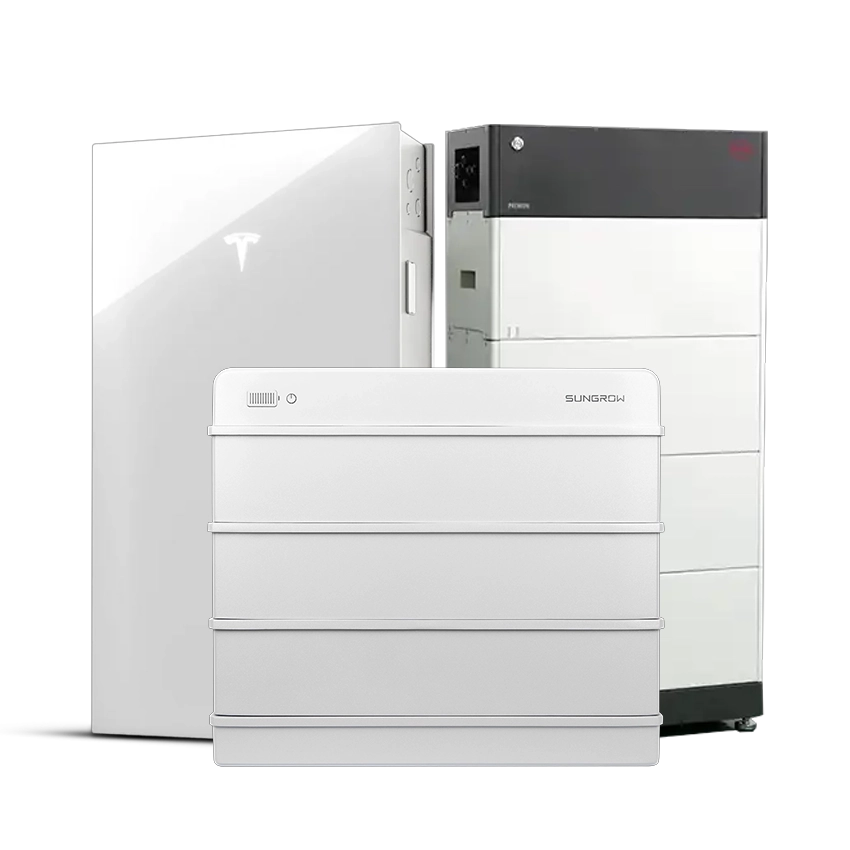
Choosing the Right Solar Battery Size in Rockhampton
When planning your solar and battery system in Rockhampton, one of the biggest decisions you will make is choosing the right battery size. While many Australian households typically install a battery between 10 and 13 kilowatt-hours (kWh), the right size for you depends on your lifestyle, whether you plan to charge an electric vehicle, and how much you want to prepare your home for the future. For some homes in Central Queensland, even 20 kWh, 30 kWh, or larger batteries can make sense.
In Rockhampton and surrounding areas like Yeppoon, Gracemere and Mount Morgan, we see two clear patterns. Suburban households often want a solar battery that covers evening use, while rural families and farms across Central Queensland lean towards larger batteries that can power heavy equipment or provide backup during longer outages.
The choice is not just about today’s electricity bills. It is also about how your energy needs will grow in the coming years.
Understanding Solar Battery Capacity
Battery capacity is measured in kilowatt-hours (kWh), which represents how much energy a battery can store and release. For example, one kWh equals running a 1,000-watt appliance for one hour. If your home uses 20 kWh per day, then a 10 kWh battery could, in theory, cover half that usage if fully charged.
For many Rockhampton homes, a 10 kWh battery will comfortably run lighting, appliances, Wi-Fi, and cooling overnight. But larger households in areas such as Parkhurst or Frenchville may find a 15 to 20 kWh battery a better fit. On rural properties near Alton Downs or Ridgelands, even bigger batteries such as 20 to 30 kWh or more can be the right solution, especially where pumps, sheds, or multiple fridges and freezers are in use.
It is also important to know that not all of a battery’s rated capacity is usable. Most models reserve a small portion of charge to protect performance. So a 10 kWh battery may only deliver around 9 kWh of usable storage depending on the brand.
Average Household Solar Battery Needs in Rockhampton
For most families across Rockhampton suburbs, a 10 to 13 kWh battery works well. This size usually covers evening and overnight usage, keeping essentials like your fridge, freezer, Wi-Fi, lighting, and a few outlets running.
Households with a 6.6 kW solar system often find this to be the perfect match. Instead of exporting excess solar back to the grid for a few cents, you can store it during the day and use it in the evening when electricity costs are at their highest. This balance helps lower bills and provides reliable backup.
For larger Rockhampton homes or properties in nearby rural towns, stepping up to a 15 to 20 kWh solar battery can make sense. These households often use more energy at night for cooling, appliances, or larger electrical systems.

When You Might Need a Bigger Battery
Not every Rockhampton household fits into the “average” bracket. Some families are already choosing larger batteries in the 15 to 30 kWh range.
One of the biggest drivers is the rise of electric vehicles. An EV can double your daily electricity demand, which means a 10 kWh battery quickly feels too small. A 20 kWh or larger solar battery gives you the storage to cover both household use and overnight vehicle charging.
Rural properties in Central Queensland also benefit from bigger batteries. Farms and acreages often run irrigation systems, cold rooms, or heavy equipment. In these cases, a 20 to 30 kWh battery can keep everything running without relying on the grid.
Planning for the future matters too. A growing family, more time working from home, or adding a second EV can all push up energy demand. Installing a bigger battery now can save you from having to upgrade later while letting you take advantage of today’s rebates.
How Usage Patterns Influence Battery Size
Battery sizing is not only about how much electricity you use in total. It is about when you use it.
Many Rockhampton families use the bulk of their energy in the evenings for cooking, air conditioning, laundry, and entertainment. For these households, a 10 to 13 kWh battery provides good coverage.
But for households with retirees, shift workers, or people working from home, energy use is often spread throughout the day. If solar panels already cover daytime use, a smaller battery might be enough.
On the other hand, lifestyle factors like teenagers gaming late into the night, or running multiple air conditioners in summer, may mean you will need extra storage. Reviewing your electricity bills or monitoring usage with a smart meter will give you a clearer picture.
Matching Solar Battery Size with Your Solar System
Your solar panels and battery should always be sized together.
- A standard 6.6 kW solar system is best paired with a 10 to 13 kWh battery.
- Larger homes in Rockhampton with 10 kW solar arrays often choose 15 to 20 kWh batteries.
- Rural properties with 15 kW or bigger solar systems are well suited to 20 to 30 kWh batteries.
If your battery is too large for your solar system, it may never fully charge. If it is too small, it fills quickly, leaving the rest of your solar sent back to the grid for very little return. Getting the balance right ensures maximum value from your system.
Cost vs Value of Solar Batteries in Rockhampton
Cost is always a big factor when deciding on a solar battery. Bigger batteries cost more upfront, but they can provide greater long-term value through higher bill savings and stronger blackout protection.
In Rockhampton suburbs, most families look for a battery that lowers evening bills and provides reliable backup during outages. On rural properties, larger batteries are often chosen for powering heavy loads and keeping the property running when the grid goes down.
The Federal Battery Rebate has made both standard and larger batteries more affordable. For many Rockhampton households, this incentive is a chance to size up without the financial hurdle.
Ultimately, the right solar battery size is not just about the cost. It is about security, comfort, and building an energy system that grows with your household.