

Too small and you will still buy power every evening. Too big and you will pay for storage you never use. Tell us about your home and see your battery size, how your day plays out hour by hour and how long you could run in a blackout.
How to size a solar battery for a Central Queensland home.
Want exact numbers? Upload your electricity bill and we will size it from your real usage.
Family-owned and local since 2004
In-house accredited technicians
Rockhampton, Yeppoon & Central Queensland
What size solar battery do I need?
Most family homes in Central Queensland suit a solar battery with somewhere between 10kWh and 15kWh of usable storage. Smaller households can do well with 5kWh to 7kWh, while large homes with a pool, an EV and whole-home air con may want 20kWh or more. Where you land depends on how much power you use after dark, whether you want blackout backup and how much solar you have to charge it.
A simple starting formula: your average daily kWh × 0.5 = the usable battery size in kWh that would cover most of your after-dark use.
Roughly half of a typical home’s electricity is used after the panels switch off. So a home using 24kWh a day has about 12kWh to cover. It is a good first estimate, and it is where our calculator begins too. For a more accurate answer, book an Electricity Bill Check and we will work from your real usage.
Bigger is not always better. The first few kWh save you the most. The last few are the hardest to fill and the slowest to pay back, which is why the calculator shows you where the returns flatten out.
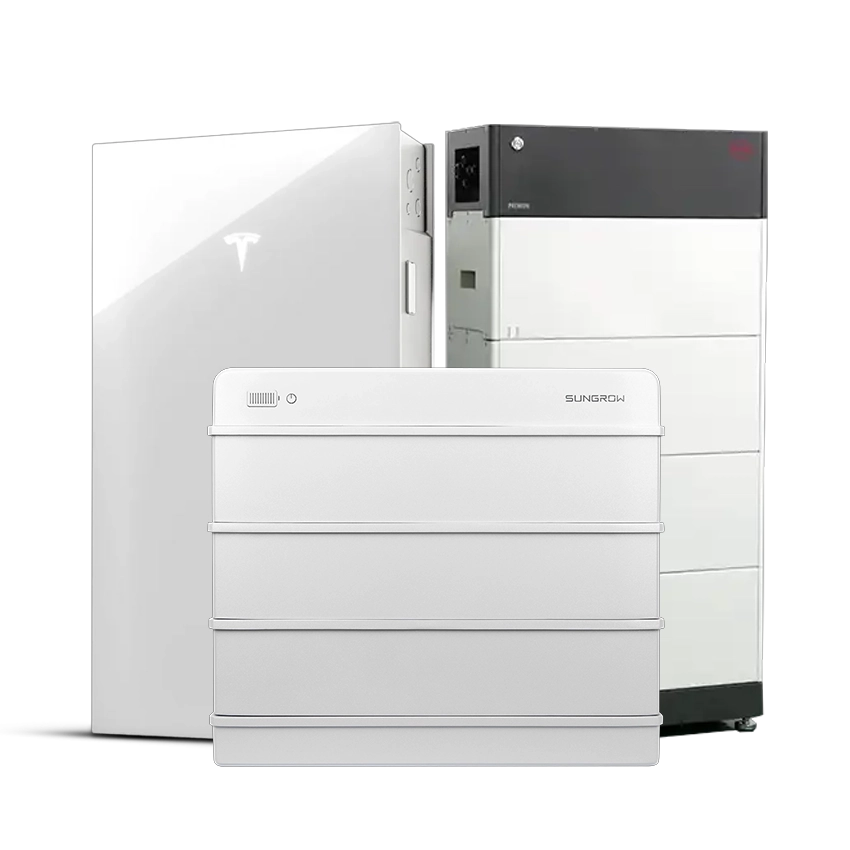
kWh is the tank. kW is the tap.
Every battery has two numbers, and you need to look at both.
Capacity (kWh) is how much energy it stores. That decides how long you last. Power (kW) is how much it can deliver at once. That decides what you can run at the same time.
A 10kWh battery with 5kW of power can run 5kW of appliances for about 2 hours, or 1kW of appliances for about 10 hours. Always compare usable capacity, because some batteries cannot use every kWh they hold. See how a solar battery works with your system.
Six things that decide the right battery size.
Two homes on the same street can need very different batteries. Here is what we look at.
How much you use after dark
This is the biggest factor. Your smart meter or retailer app can show your usage by time of day. Send us your bill and we will find it for you.
Usable vs total capacity
Compare usable kWh, not the headline number. It is the energy you can actually draw out, and it is what the sizing maths should use.
Power rating (kW)
A battery that stores plenty but delivers slowly cannot run your air con and oven together. Match the kW to the appliances you want on at once.
Your backup needs
Backing up the whole house takes a bigger battery and inverter than backing up the fridge, lights, wifi and one air con. Many homes choose essentials only.
Your solar size
A battery charges from your surplus solar. A system that is too small struggles to fill a big battery in winter. See how to size your solar system.
What is coming next
Planning an EV, a pool or more air con? It is cheaper to size for them now. Ask us about finance options and any current battery incentives.
Typical solar battery sizes by household.
Find the household closest to yours. These are starting points only, so your own bill will tell the real story.
| Household | Daily use | Use after dark | Battery to consider | Relative size |
|---|---|---|---|---|
| 1 to 2 people, light air con | 10 to 14 kWh | 5 to 7 kWh | 5 to 7 kWh | |
| 3 to 4 people, air con in a few rooms | 18 to 24 kWh | 9 to 12 kWh | 10 to 13.5 kWh | |
| 4 to 5 people, whole-home air con | 26 to 32 kWh | 13 to 16 kWh | 13.5 to 16 kWh | |
| Large home with pool, EV or electric hot water | 32 to 45 kWh | 16 to 22 kWh | 20 kWh or more |
Want to know what size solar system should go with it? Read our solar system sizing guide or see our finance options.
Solar battery size calculator
Adjust your answers and watch the suggested battery size, backup time and your hourly power sources update instantly.
Start with a typical home:
Tell us about your home
Anything else that uses a lot of power?
What should keep running in a blackout?
The fridge, lights, wifi and phone chargers are always included.
Look for "average daily usage" on your electricity bill. It overrides the estimate above.
Leave blank and we will suggest a solar size to go with your battery.
Your battery starting point
Suggested usable battery size
0 kWh
0kWh used after dark
0kW of solar to charge it
0hours of essentials backup
Try a different size to see how much grid power it would replace:
On an average day, the percentage is how much of your grid power each size would replace (capped at 95%, because real days vary). Notice how the gains slow down as the battery gets bigger.
Get exact numbers for my homeIllustrative only. Based on an average day, about 5 peak sun hours, 80% system efficiency and about 92% battery efficiency. Your roof, shading, tariff, season, network export limits and the battery you choose all affect the final design, and that is what our Electricity Bill Check works out for you.
How we size your battery.
Step 1
Send us your bill.
Upload it or give us a call on (07) 4927 1144. Your bill shows how much you use and what you pay.
Step 2
We check your home.
Existing solar, inverter, switchboard, space for the battery and what your network allows.
Step 3
We size it to your numbers.
You will see options side by side, with different battery sizes and backup setups, in plain English.
Step 4
Get a clear quote.
No pressure to buy the biggest battery. If a smaller one suits you better, that is what we will recommend. We can also talk you through finance options.
Rather talk it through?
Give our local team a call on (07) 4927 1144
We will size your battery from your actual bill. No guesswork, no pressure.
Solar battery sizing: frequently asked questions
What size solar battery does a 4-person family need?
Many 4-person homes with air con suit a battery of around 10kWh to 15kWh of usable storage. The most accurate way to size it is to work out how much power you use after dark, using the average daily kWh from your bill or your smart meter data, then add any blackout backup needs. Try our solar battery size calculator for a quick estimate.
Is a 10kWh battery enough for a house?
For many homes, yes. A 10kWh battery can cover the evening for a typical 3 to 4 person household, and it can keep essentials like the fridge, lights and wifi running for roughly a day in a blackout. If you run air con, a pool pump or electric hot water after dark, you may need more.
How long will a solar battery run my house?
Divide the battery’s usable kWh by the power your appliances draw. A 10kWh battery running 0.5kW of essentials lasts around 20 hours. Add one air con and that drops to around 5 hours. Running most of the house at once can use the same battery in just a few hours.
What is the difference between kW and kWh for a battery?
Capacity (kWh) is how much energy the battery stores, like the size of a tank. Power (kW) is how much it can deliver at once, like the width of the tap. You need enough capacity to last through the night and enough power to run your appliances at the same time.
What does usable capacity mean?
Total capacity is the energy a battery holds on paper. Usable capacity is what you can actually draw out without shortening the battery’s life. When you compare batteries, compare usable kWh so you are comparing like with like.
Is a bigger solar battery always better?
No. The first few kWh of a battery save you the most, because they cover your busiest evening hours. Each extra kWh after that is harder to fill with surplus solar and takes longer to pay back. A bigger battery makes sense if you use a lot of power after dark, want longer blackout backup, or are planning an EV. Our calculator shows you where the returns start to flatten.
Do I need more solar panels if I add a battery?
Often, yes. A battery charges from the solar your home does not use during the day, so a small system can struggle to fill a larger battery, especially in winter. Many households choose a slightly larger system when they add storage. See our guide on how to size your solar system.
Can I add a battery to my existing solar system?
Usually, yes. Depending on your inverter, a battery can be added alongside your current system or the inverter can be replaced with a hybrid model. The right option depends on the age and size of your system, so we check this as part of your Electricity Bill Check. Send us your bill and we will take a look.
Will a battery run my whole house in a blackout?
It can, but only if the system is designed for whole-home backup and has enough power (kW) to run everything that is switched on at once. Many households choose to back up essential circuits like the fridge, lights, wifi and one air con, which keeps the battery size and cost down. Ask us what backup setup suits your home.
Does my network provider limit battery or solar size?
Often, yes. Network providers such as Ergon Energy can set limits on inverter size and how much power you can export to the grid. These rules vary by location and can change, so we check what applies to your property before designing your system.
Are there government incentives for home batteries?
Incentives for home batteries have been available, and the rules, amounts and eligibility can change and often depend on battery size. We confirm what is currently available for your property when we prepare your quote, so you are working from up-to-date numbers.
Get your solar battery sized from your real bill.
You do not need to know what size you need. Start with an Electricity Bill Check and our local team will look at when your household uses power, what your roof and switchboard can handle and what makes sense for your budget. Real numbers. Clear advice. No obligation. And if you do not need a battery yet, we will tell you that too.